Smell loss (anosmia and parosmia)
Loss or distortion of the sense of smell, including after viral infection.
Smell disorders include reduced smell (hyposmia), absent smell (anosmia), distorted smell (parosmia), phantom smells (phantosmia) and heightened smell (hyperosmia). They can follow viral infection, including COVID-19, or arise from nasal and sinus disease, head injury, or other causes. The sense of smell is central to flavour, appetite and safety, and its loss can be distressing.
For many people the loss runs far deeper than they expect, and it is often badly underestimated. Food turns to cardboard and eating becomes a chore, so appetite and weight suffer. Parents cannot smell their own children, partners lose a layer of closeness, and the everyday warnings the nose provides, gas, smoke, food that has turned, quietly disappear. Parosmia, where familiar things smell rotten or chemical, can be harder still and makes ordinary meals repellent. It is closely linked to low mood, and people are too often told there is nothing to be done. Mr Gane has spent years listening to exactly these experiences and researching why they happen. He treats smell disorders as a real medical problem, and takes seriously how much they can take from a person.
Assessment and treatment
Assessment includes a history, examination, and where appropriate formal smell testing and imaging. Treatment depends on the cause and may include treating underlying nasal disease, structured smell training, and selected options such as corticosteroids or platelet-rich plasma injections to the olfactory cleft. Our smell training guide in the Learn section explains the daily exercise in detail.
Mr Gane has researched the science of smell since 2007 and was among the first to identify sudden smell loss as a symptom of COVID-19.
Platelet-rich plasma (PRP) injections
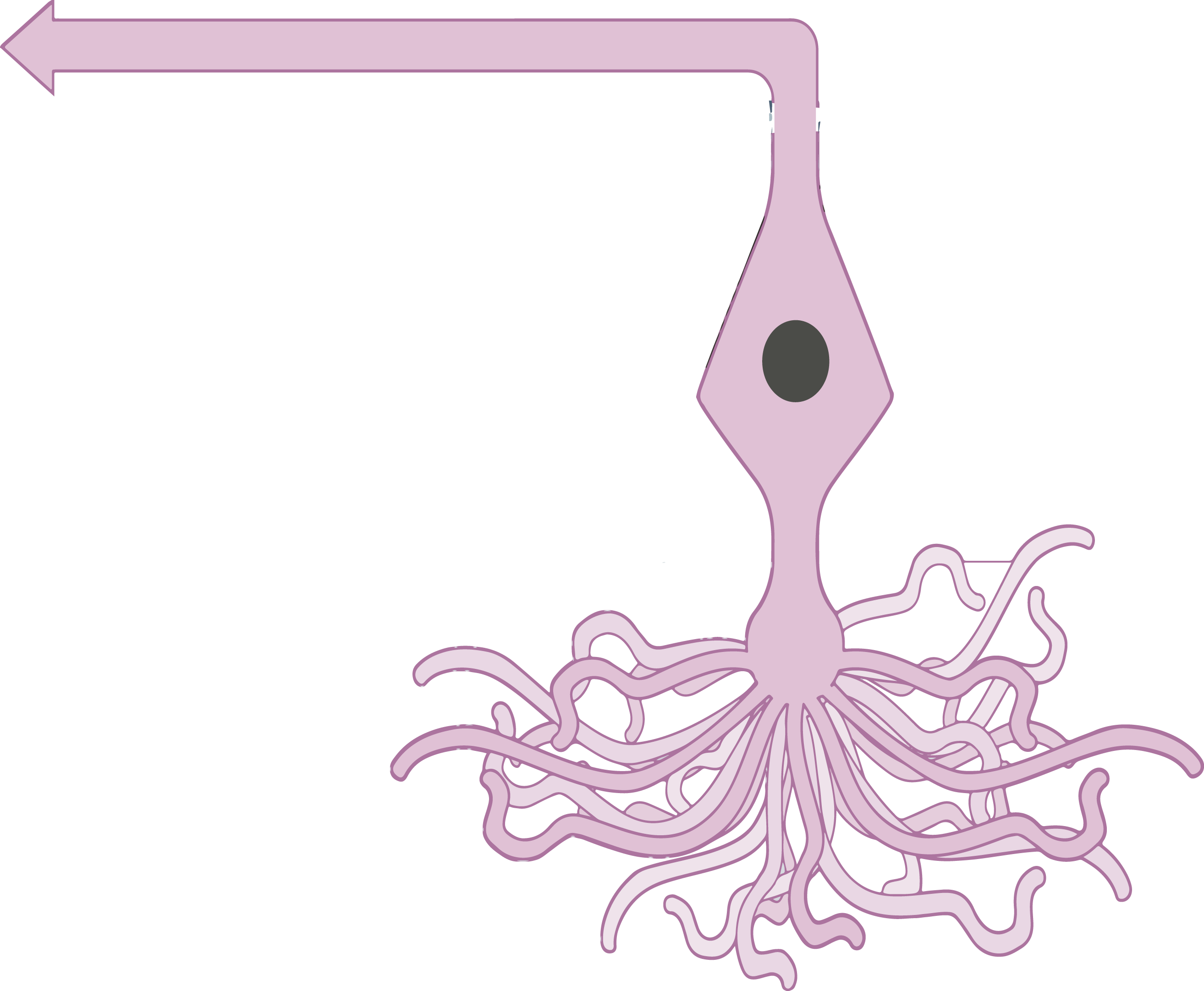
Platelet-rich plasma is prepared from a small sample of your own blood, spun to concentrate the platelets and the growth factors they carry. A few drops are then injected into the olfactory cleft, the narrow space at the roof of the nose where the smell nerves sit, to encourage them to recover. It is a short procedure done under local anaesthetic.
It is offered mainly for persistent loss of smell after a viral infection, including COVID-19, that has not returned with time and smell training. The evidence is encouraging but still early: in a randomised trial around 57% of treated patients improved at three months against 8% given placebo, and pooled analyses point the same way. Because it uses your own blood it carries very little risk. It is an off-label use, with long-term data so far limited to about a year, and Mr Gane will be clear about what is and is not known before you decide.
PRP is given as a course of three injections, two weeks apart, offered as a single all-inclusive package so there are no separate hospital bills to chase.
PRP course package, £3,130 all-inclusive
- Three PRP injections (sessions one to three), including PRP preparation and processing
- Hospital endoscopy fees for all three treatment sessions
- A baseline smell test before treatment
- An outcome smell test after the course
- A follow-up consultation three months after treatment
Whether PRP is worth trying in your case is decided after a full assessment of your smell loss.
Book a consultation All conditions
This page is general information and not a substitute for individual medical advice.